
If you've read Mick Herron's Slow Horses series (or watched the excellent Apple TV adaptation series), you'll know that espionage isn't all shaken-not-stirred martinis, Aston Martins, and glamorous women. Sometimes it's stale sandwiches, bureaucratic incompetence and middle-aged men with questionable hygiene.
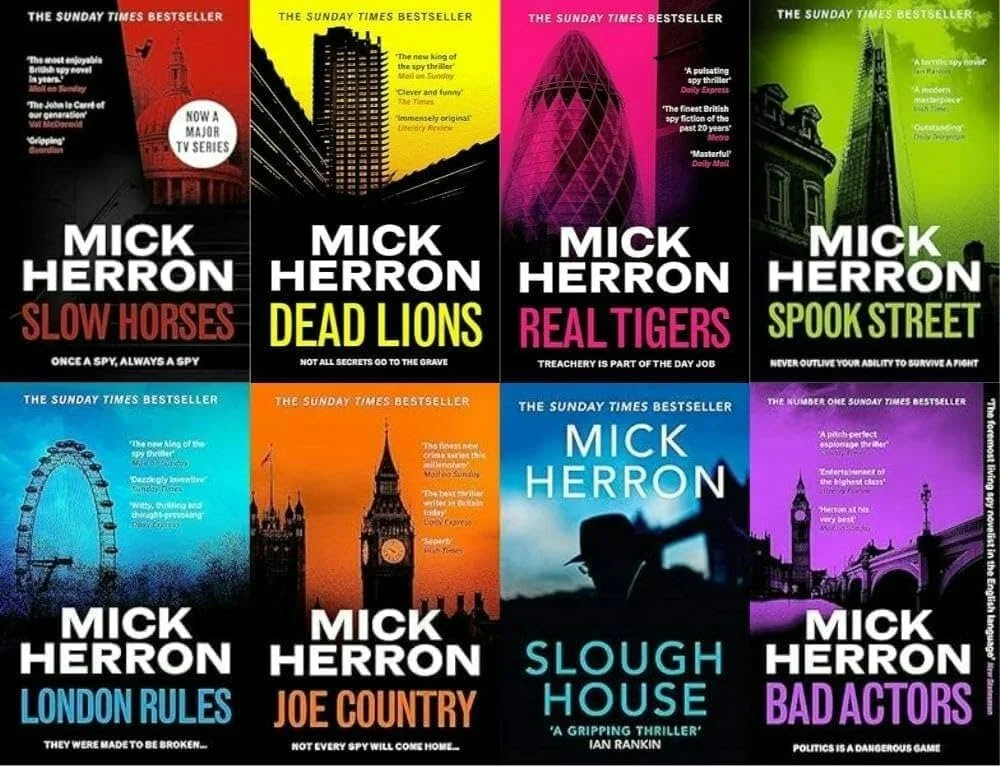
Jackson Lamb and his band of MI5 rejects at Slough House have brought a wonderfully cynical and darkly comic touch to the spy genre. But Herron isn't the only writer to explore the absurdities of intelligence work.
If you're looking for books similar to Mick Herron's Slow Horses, these seven espionage novels offer the same combination of dark humour, cynical characters, political intrigue and intelligence agencies behaving rather unintelligently.
All based on nothing but my own opinion.
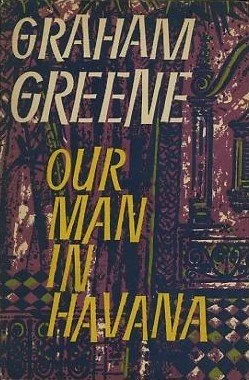
1. Our Man in Havana — Graham Greene
One of my all-time favourite novels and arguably the granddaddy of espionage satire.
Set in pre-revolutionary Cuba, the novel follows Wormold, a British vacuum cleaner salesman recruited by MI6. Rather than do any actual spying, Wormold decides to invent his intelligence reports, including drawings of secret military installations that bear a suspicious resemblance to vacuum cleaner parts.
Naturally, London believes every word.
Greene brilliantly exposes the absurdity of intelligence agencies and their willingness to believe almost anything, provided it arrives through the proper channels.
Funny, intelligent, and wonderfully entertaining. A genuine classic and my favourite.
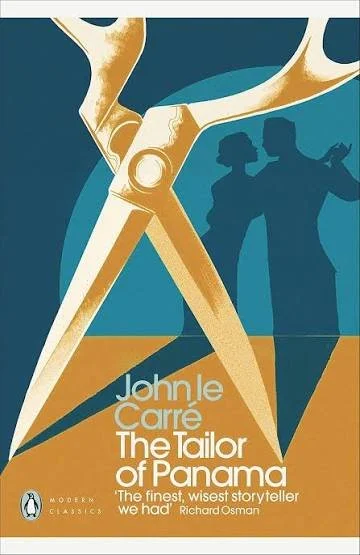
2. The Tailor of Panama — John le Carré
If Greene gave us a vacuum cleaner salesman posing as a spy, le Carré decided to give us a tailor.
Harry Pendel is a British tailor living in Panama who becomes an informant for an unscrupulous MI6 operative. Unfortunately, Harry's imagination is rather more impressive than his intelligence-gathering abilities, and his increasingly elaborate fabrications soon spiral out of control.
A deliciously cynical novel about greed, deception and the dangerous consequences of telling powerful people precisely what they want to hear.
Le Carré at his most mischievous. And done with more than a nod or two to Our Man in Havana. There’s a half decent movie with Pierce Brosnan which is worth a watch too.
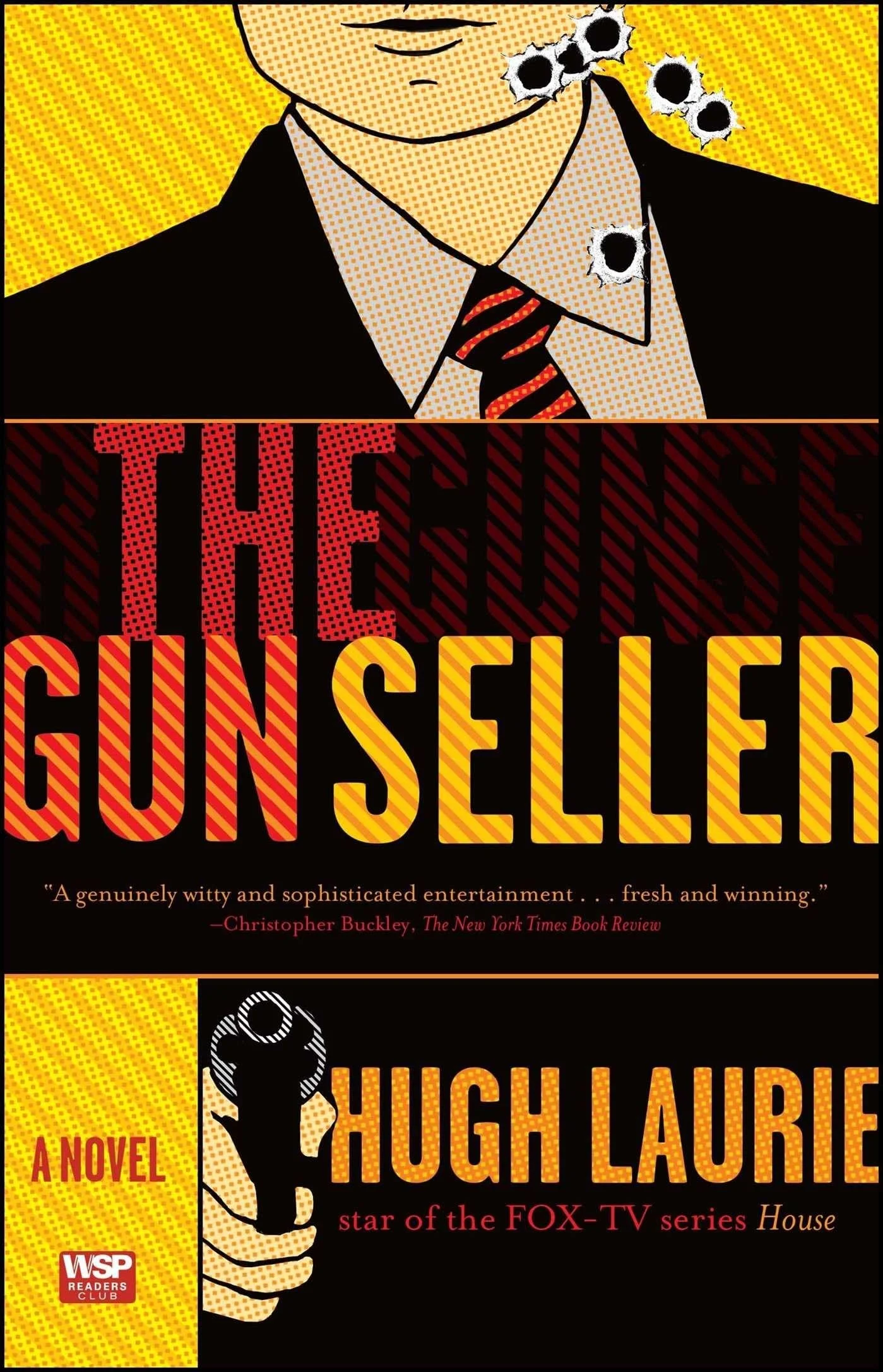
3. The Gun Seller — Hugh Laurie
Yes, that Hugh Laurie. The actor, comedian and one half of the excellent Fry and Laurie comedy duo also happens to have written a thoroughly entertaining spy novel.
Thomas Lang, a former soldier, is offered a job to assassinate an American businessman. He refuses, which turns out to be a rather unfortunate decision for his personal safety.
What follows is a madcap adventure involving arms dealers, intelligence agencies and enough international intrigue to keep James Bond occupied for several films.
Laurie's trademark wit shines through the wonderfully sarcastic narration. An action-packed espionage romp that doesn't take itself too seriously. The only downside from my point of view is that it seems every second sentence is interrupted with a joke or quip which doesn’t let the book flow.
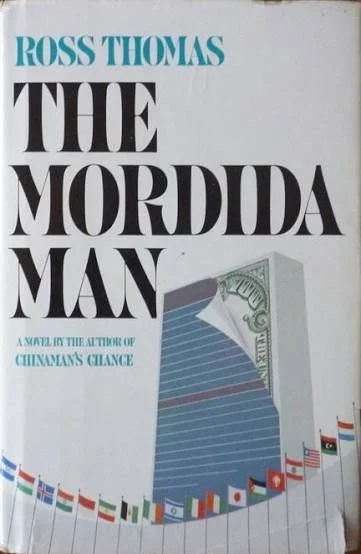
4. The Mordida Man — Ross Thomas (1981)
Ross Thomas is one of those writers who deserves to be far better known. His novels are filled with political fixers, conmen, corrupt officials and morally dubious characters who seem to regard bribery as a perfectly respectable profession.
When Libyan radicals kidnap the American president's brother, the White House turns to Chubb Dunjee, a former congressman and international fixer whose particular talent is knowing who to bribe and how much.
Unfortunately, the kidnappers aren't interested in money. They want revenge.
What follows is a wonderfully convoluted tale of international skulduggery, political incompetence and double-crossing, delivered with Thomas's trademark sharp dialogue and cynical humour. Thomas’s novels are not always strictly espionage, but they still fit the bill.
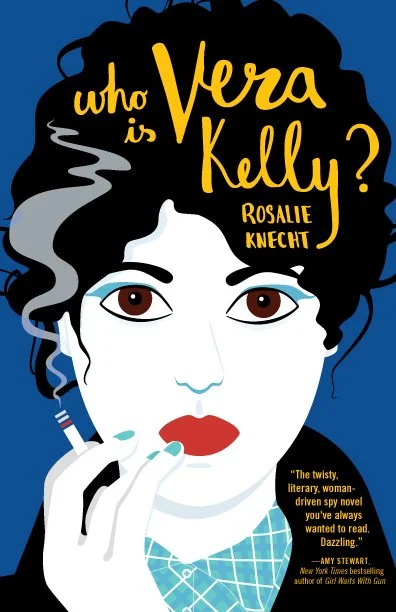
5. Who Is Vera Kelly? — Rosalie Knecht
A rather different take on the traditional spy novel.
Set in 1960s Buenos Aires, the story follows Vera Kelly, a young American recruited by the CIA to infiltrate left-wing student groups and conduct surveillance during a particularly turbulent period in Argentina's history.
Vera is hardly your conventional glamorous spy. She's awkward, observant and struggling with her identity while attempting to navigate the murky world of Cold War espionage.
Knecht's writing is understated, with a dry humour and a wonderfully atmospheric sense of place. Not as overtly comic as the other novels here, but a refreshing alternative to the usual gun-toting, globe-trotting espionage hero.
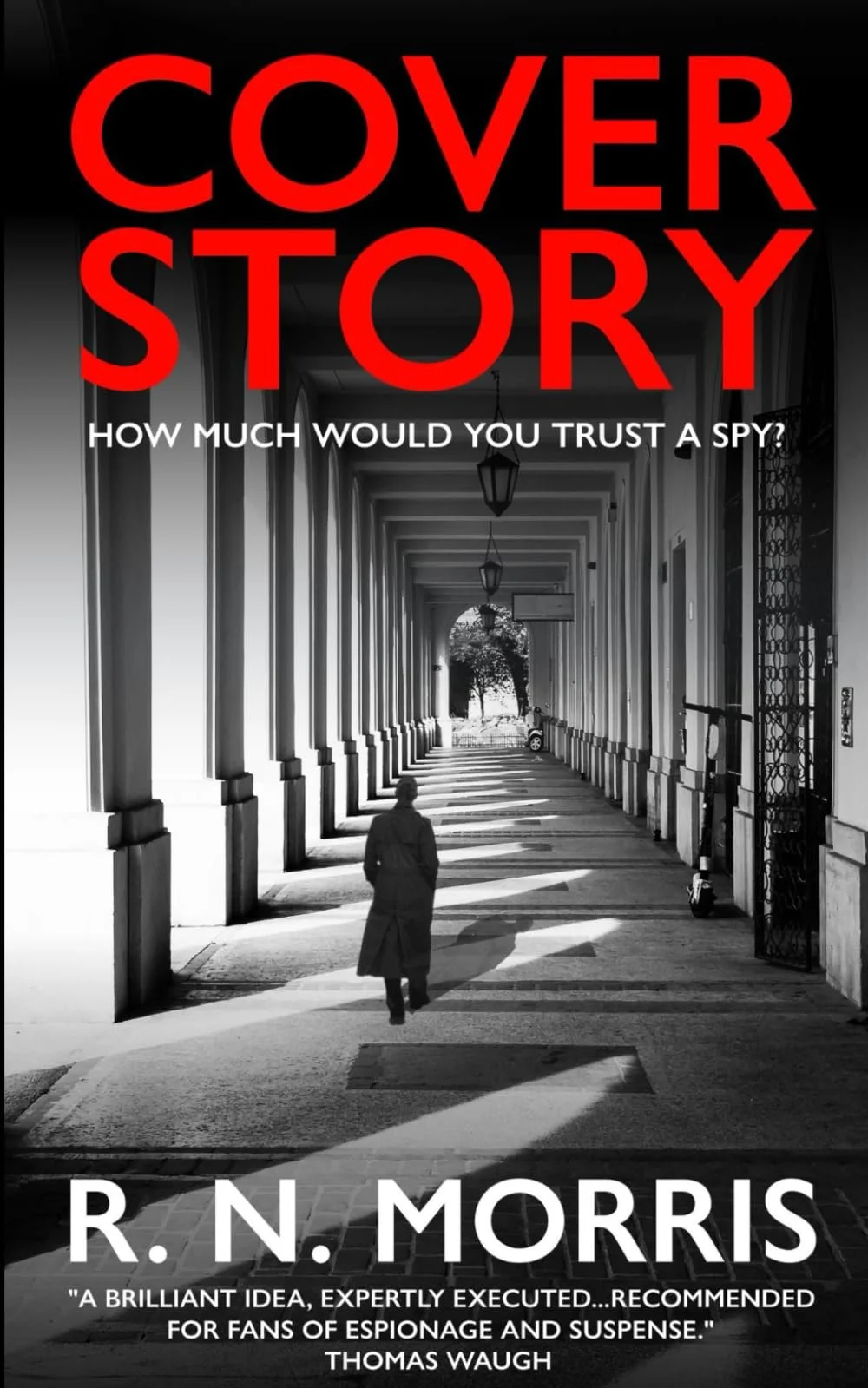
6. Cover Story — R. N. Morris
Imagine being a struggling novelist offered £50,000 to write a book that will never be published.
For many writers, this might sound like an excellent deal. No reviews, no marketing, no worrying about Amazon rankings. Just write the thing and collect the money.
Unfortunately for Col Newton, the offer comes from an old university friend working for MI6, who needs a novel written to support an undercover agent's fabricated identity.
Naturally, things become rather more complicated than the publishing arrangement initially suggested.
An entertaining premise that combines the absurdities of the literary world with the even greater absurdities of British intelligence. A clever, darkly humorous espionage tale.
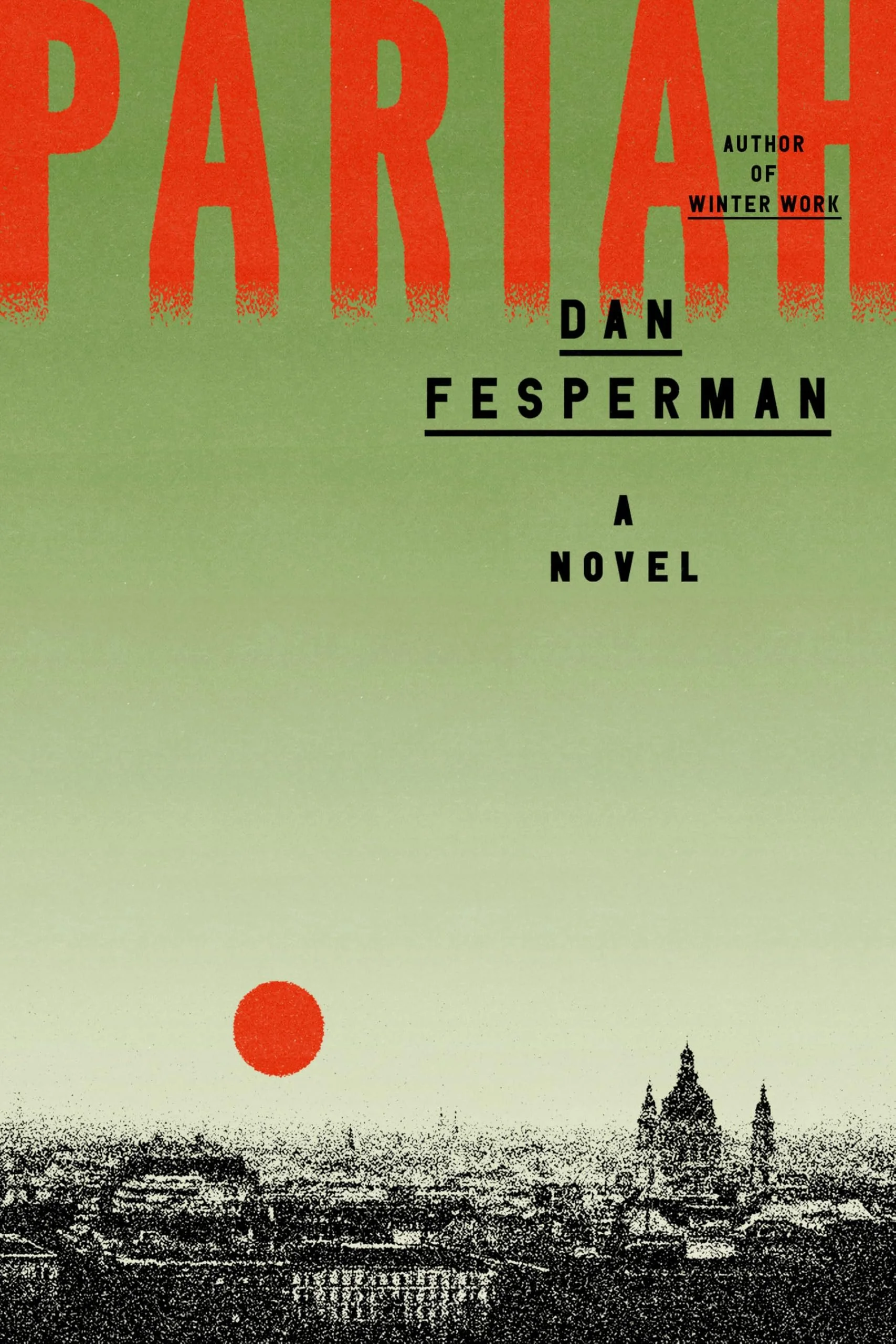
7. Pariah — Dan Fesperman
A disgraced comedian and former American congressman is recruited by the CIA to infiltrate the inner circle of an Eastern European dictator.
Why? Because the dictator happens to be a devoted fan of his comedy.
If this sounds rather ridiculous, consider some of the characters occupying the world's political stage and suddenly the premise doesn't seem quite so far-fetched.
Fesperman combines political satire, celebrity culture and international espionage in a thoroughly entertaining thriller featuring a protagonist who is spectacularly ill-equipped for the job.
An amusing reminder that the line between politics, show business and espionage is sometimes rather difficult to distinguish. Not so much a comedic novel but one that dips into a fresh, darkly comedic take on the spy genre, and with parallels to our modern world.
The absurd and comedic world of espionage
What makes these novels so appealing is their willingness to poke fun at the intelligence establishment. Behind the secrecy, expensive operations and national security rhetoric are ordinary people driven by ambition, greed, fear, love or simply the desire to keep their jobs. Somewhat different to the usual world of espionage fiction.
Sometimes the greatest threat to national security isn't a foreign intelligence service, but the people supposedly protecting it. And those mishaps usually make great dark comedy.
And that's what makes Mick Herron’s Slow Horses novels, and these seven novels, so entertaining.
For those who enjoy the idea of fabricated intelligence reports getting wildly out of hand, I explored a similar theme in my own spy novel, Magical Disinformation, set in Colombia.
Apparently, making things up for a living isn't limited to novelists.
